

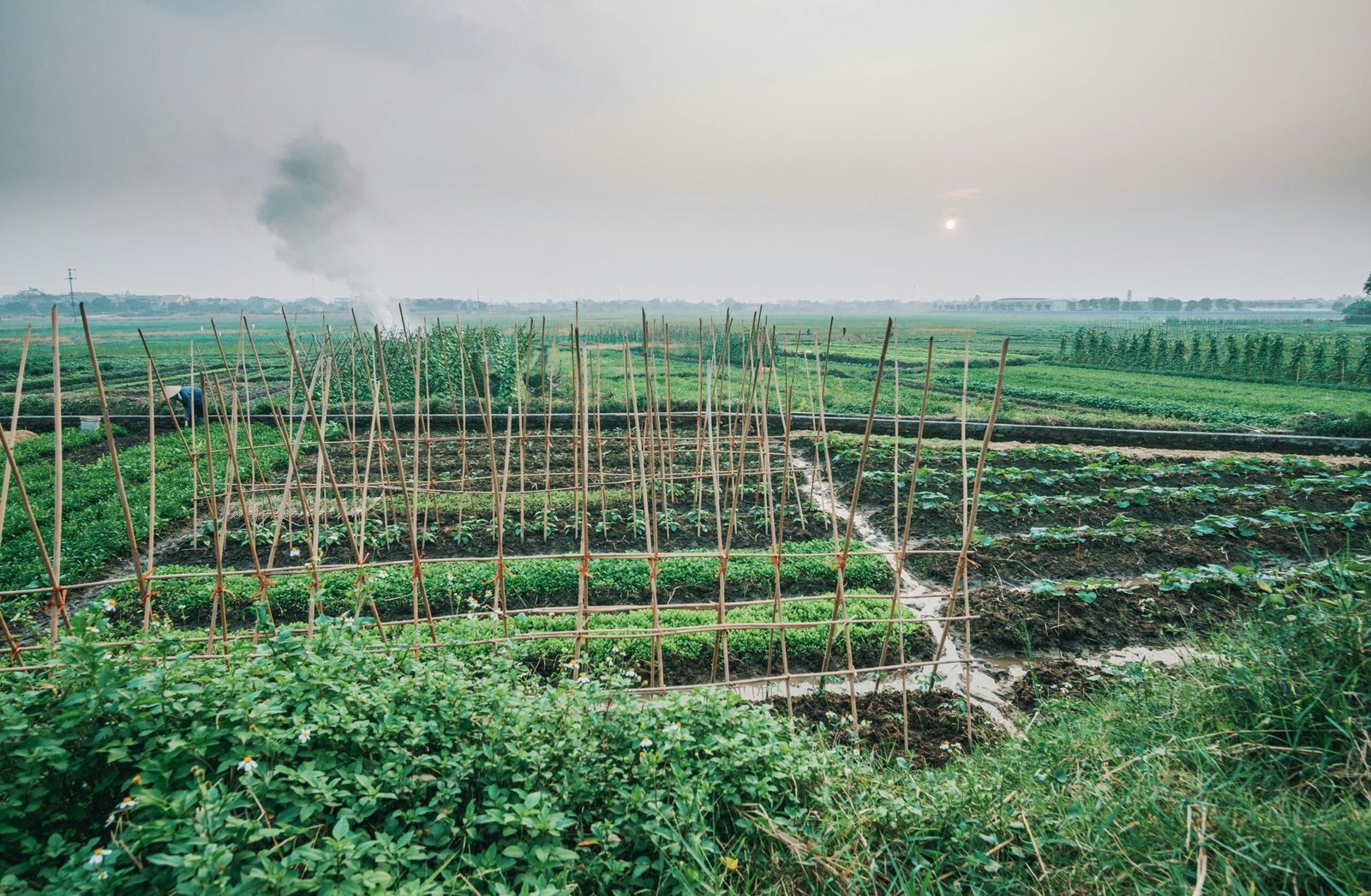
In early 2026, modern farming techniques have moved beyond the “experimental” phase to become the standard for accelerating global agricultural growth. As of January 24, 2026, the sector is defined by a shift from volume-based production to precision-based efficiency, driven by AI, robotics, and climate-resilient biotechnology.
The following modern techniques are currently the primary engines of agricultural acceleration:
1. AI-Driven Precision Agriculture
Precision agriculture is no longer just about GPS-guided tractors. In 2026, it is powered by Generative AI and Digital Twins.
- Impact on Growth: Adoption of AI-powered precision tools is projected to increase crop yields by up to 25% this year.
- Real-time Analytics: Farmers use IoT sensor networks to monitor soil pH, moisture, and nutrient levels in real-time. This “targeted” approach reduces input waste (fertilizers and pesticides) by 40–60%, directly boosting the profit margins that fuel further expansion.
- Predictive Models: AI agents now answer natural-language queries like, “Which hybrid seed will perform best in my clay-heavy soil during a projected drought?”—reducing guesswork and seasonal risk.
2. Autonomous Robotics and Automation
With a global farm labor gap reaching nearly 2.4 million positions annually, robotics has become essential for maintaining growth.
- Robotic Harvesters: Machines equipped with computer vision can identify and pick delicate crops (like peppers or berries) with 99% accuracy, working 24/7 during peak windows.
- Targeted Sprayers: AI-guided sprayers (like the ARA system) can identify individual weeds among crops, reducing chemical usage by 70–95%. This not only saves costs but protects soil microbiomes, ensuring long-term yield stability.
3. Vertical and Controlled Environment Agriculture (CEA)
As land becomes scarce, growth is accelerating “upward” rather than “outward.”
- Yield Multiplication: Vertical farming can produce 10–20 times the yield of traditional fields while using 95% less land and water.
- Urban Integration: By 2026, over 20% of new urban developments are expected to include hydroponic vertical farms, slashing transportation costs and emissions while providing fresh produce to city centers.
4. Bioengineering and CRISPR Technology
Biotechnology is the primary defense against climate-induced growth stagnation.
- Climate Resilience: Gene-editing tools like CRISPR are being used to develop drought-tolerant wheat and heat-resistant rice.
- Nutritional Density: Beyond yield, bioengineering is focusing on “biofortification”—increasing the vitamin and mineral content of staple crops to meet the needs of a global population nearing 8.5 billion.
5. Regenerative and Carbon Farming
In 2026, “growth” includes the financialization of soil health.
- Carbon Credits: Farmers leveraging no-till practices and cover cropping now access a lucrative secondary income stream through carbon credits.
- Soil Health: Modern techniques such as biochar application and variable-rate tillage (VRT) are cutting soil loss by 30–50%, ensuring that the land remains productive for decades rather than being depleted in a few seasons.
Summary: The 2026 Efficiency Gains
| Technology | Estimated Yield Increase | Resource Savings |
| Precision Irrigation | 20–35% | 40–60% water savings |
| Robotic Weeding | 25–45% | 70–95% chemical reduction |
| Vertical Farming | 10–20x per $m^2$ | 95% land reduction |
| AI Yield Forecasting | Up to 20% | Reduces loss from weather/pests |