

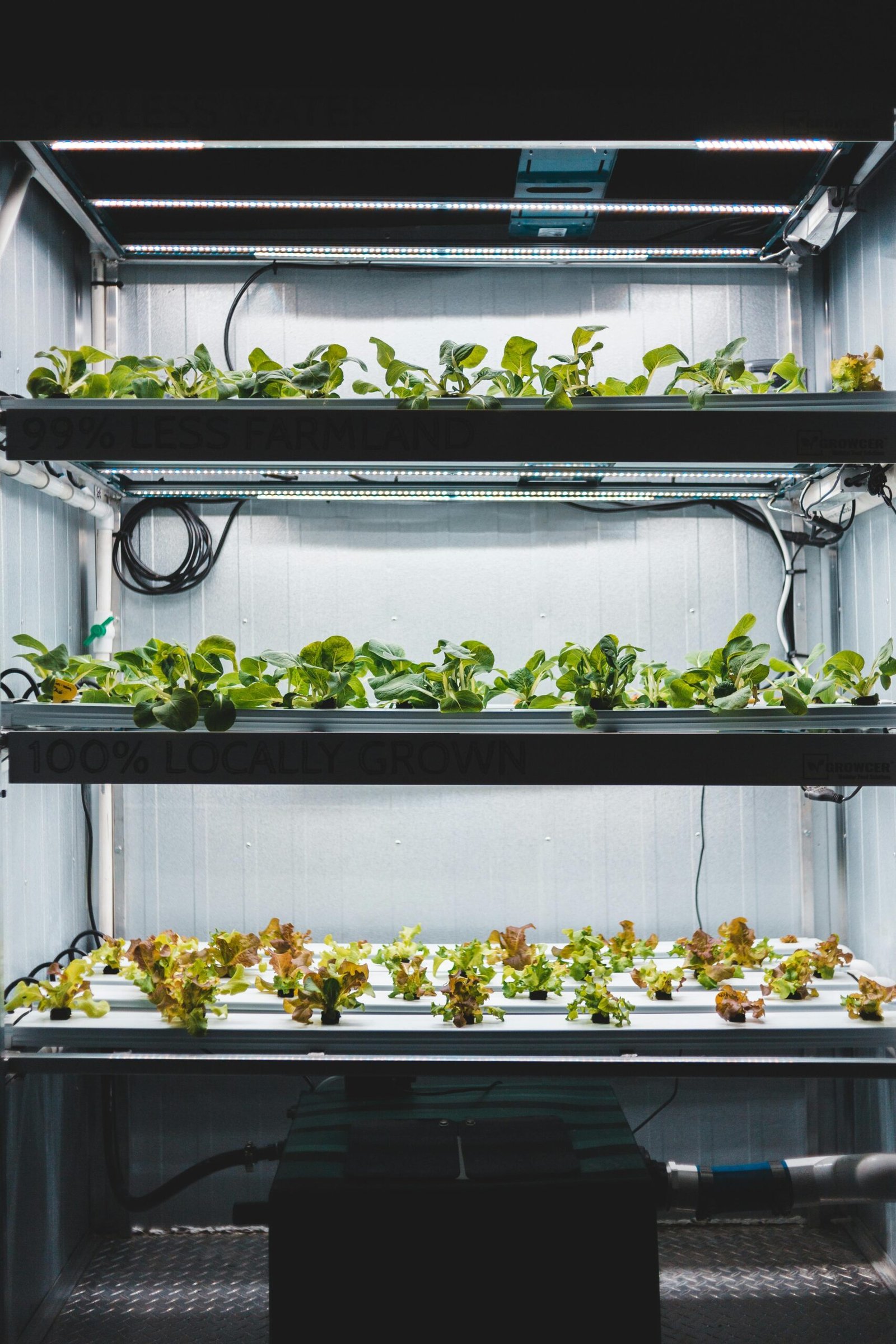
In January 2026, Climate-Smart Agriculture (CSA) has moved from a policy ideal to a practical “triple-win” framework for global food systems. As farmers navigate a world of shifting weather patterns and extreme heat spikes, CSA is the primary tool for maintaining productivity while restoring the environment.
The effectiveness of CSA in 2026 rests on three pillars: Sustained Productivity, Enhanced Resilience, and Emission Mitigation.
1. The Three Pillars of 2026 Productivity
| Pillar | Focus | 2026 Implementation |
| Productivity | Sustainable Intensification | Producing more food per acre using AI-driven nutrient programs that reduce synthetic fertilizer reliance by up to 30%. |
| Resilience | Adaptation to Shocks | Deploying early-warning systems (like Bangladesh’s tidal surge monitors) that give farmers 48–72 hours to protect crops. |
| Mitigation | Carbon Sequestration | Turning farms into “carbon sinks” via regenerative leasing—where landowners reward tenants for verifiable soil carbon increases. |
2. Shaping the Future of Farm Output
By early 2026, CSA strategies are specifically targeting yield stability through several key innovations:
- Climate-Resilient Genetics: Scientists have moved beyond simple “drought-resistance.” 2026 sees the rollout of seeds with “Plasticity Traits”—crops that can dynamically adjust their growth cycles based on real-time heat and moisture sensors.
- Water Management 2.0: Productivity is being saved by precision irrigation. In regions like Pakistan and India, IoT sensors linked to gravity-fed systems are reducing water waste by 50% while increasing the share of area under high-value crops.
- Biologicals over Synthetics: One of the biggest trends of 2026 is the mainstreaming of biostimulants and microbial treatments. These “biologicals” strengthen the plant’s natural immune system, allowing for high yields even when environmental stress is high.
3. Economic and Social Impacts
- The “Carbon Credit” Revenue Stream: In 2026, productivity isn’t just measured in bushels, but in Carbon Certificates. AI algorithms now quantify methane reduction in rice paddies and reward farmers financially, providing the capital needed to further modernize.
- Reduced Yield Volatility: Reports from January 2026 indicate that farms using at least three CSA practices (e.g., mulching, drip irrigation, and cover cropping) have seen 30% higher stability in their annual incomes compared to traditional monocrop farms.
- Digital Decision Support: Smallholder farmers now access “AI-advisories” via simple text messages. These systems calculate the “optimum weeding window” or “pest risk” based on micro-climate data, ensuring that every dollar spent on inputs leads to measurable growth.
4. Challenges to 2026 Productivity
Despite the gains, two major “stumbling blocks” remain:
- High Up-front Costs: Implementation of IoT and precision hardware requires significant initial capital.
- The Information Gap: In many regions, there is still a lack of awareness regarding the long-term ROI of regenerative practices vs. the immediate “hit” of synthetic fertilizers.